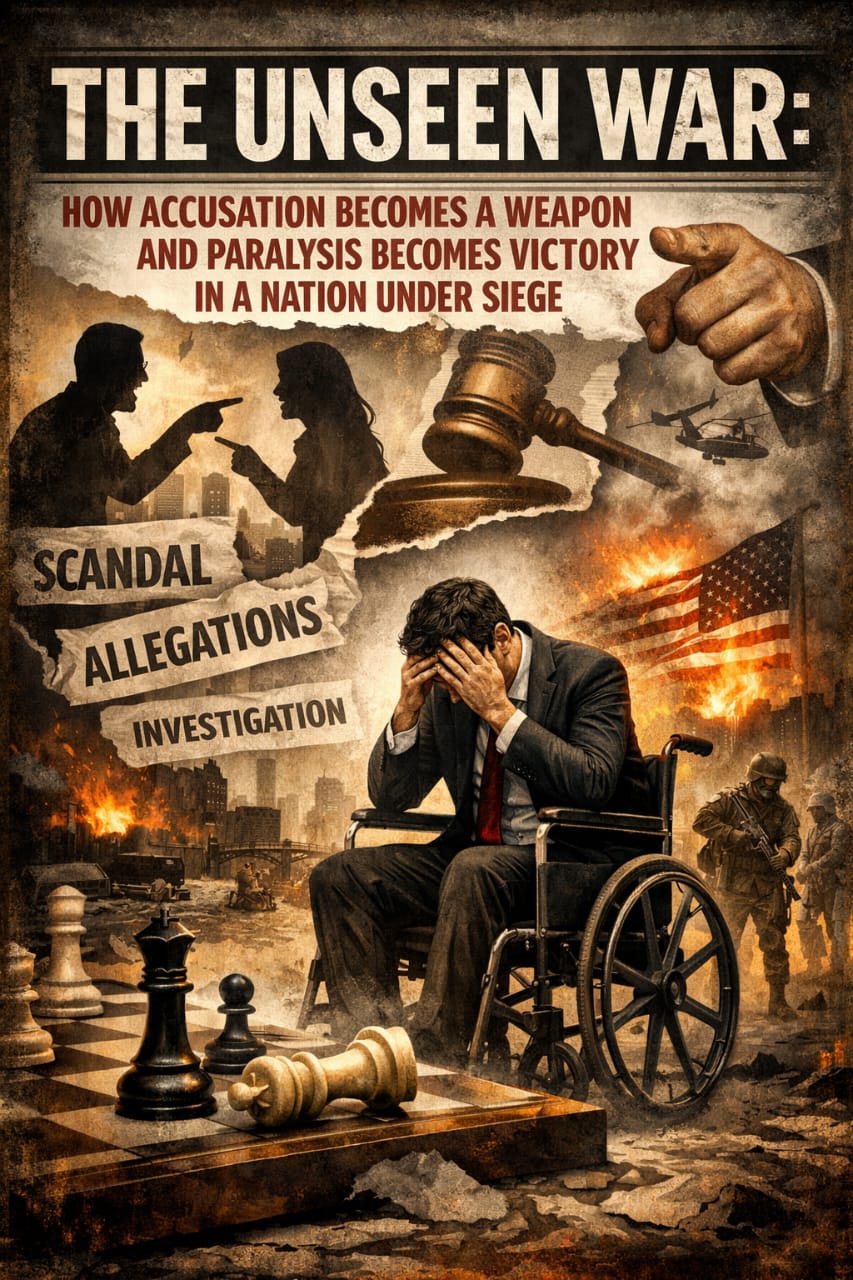
THE UNSEEN WAR: HOW ACCUSATION BECOMES A WEAPON AND PARALYSIS BECOMES VICTORY IN A NATION UNDER SIEGE

The true corrosion of prolonged conflict is the transformation of public language, where accusatory labels like “terrorist” or “traitor” become political currency and weapons of war. This creates a self-fulfilling prophecy, as seen in Sri Lanka, where the state’s broad ethnic labelling of Tamils as terrorists eradicated the middle ground. By equating an entire ethnic identity with disloyalty, the state validated the LTTE’s propaganda and pushed moderates toward armed rebellion, effectively creating the very threat it feared.
This instrumental use of accusation is replicated elsewhere, providing ideological fuel for crackdowns and destroying any will for compromise. In Myanmar, the relentless official framing of the Rohingya as “illegal immigrants” and “terrorists” built a wall instead of a bridge, empowering hardliners and convincing the persecuted that resistance was their only recourse. Nigeria now navigates similar peril, where public allegations against high traditional or religious authorities are repurposed by insurgents as recruiting propaganda, grafting local grievances onto a narrative of civilizational war and radicalizing new followers.

Furthermore, this atmosphere of suspicion systematically cripples the state’s capacity to respond, paralyzing governance and security. When every figure fears being branded a secret enemy, collaboration across fragile ethnic and political lines breaks down. This societal psychosis mirrors 1950s America’s McCarthyism, where the reckless label of “communist sympathizer” ruined lives through fear rather than evidence, stifling discourse and poisoning politics. In Nigeria, the result is a collection of distrustful silos, where the safest option becomes inaction, allowing only the insurgency to grow.
The escape from this trap requires a disciplined return to the principles insurgency seeks to destroy. The state must let independent investigations, not public accusations, lead, upholding the rule of law as the sole instrument of justice and protecting bridge-building community leaders. For the people, it demands courageous discernment—a patriotism that questions explosive claims and rejects demonization, upholding the doctrine of innocence until proven guilty. Ultimately, Nigeria’s security depends on fighting not only the insurgency but for its own soul, refusing to surrender humanity and trust to the very forces it seeks to defeat.
By Tankur Abarshi
Kaduna