Govs, NGOs tasked to support NYSC Orientation camps, corp members accommodation across Nigeria



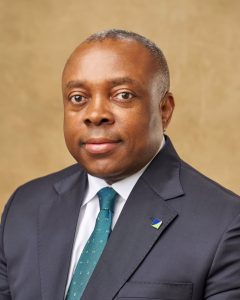
Professor Shaibu Danfulani, the Chancellor of the Centre for Strategy Studies (CSS) has called on state governors, non-governmental organisations and other stakeholders to urgently intervene in the worsening accommodation and infrastructure crisis at National Youth Service Corps orientation camps nationwide.
He spoke at an event in Abuja on the role of the NYSC in advancing the Renewed Hope Agenda of President Bola Ahmed Tinubu.
Recent reports from the ongoing 2026 Batch C Stream II orientation exercise have highlighted severe overcrowding, inadequate hostels, water shortages, irregular electricity and poor sanitation at camps in several states.
Camps originally built decades ago when the scheme mobilised far fewer graduates are now strained by annual figures that rose from about 400,000 in 2025 to approximately 450,000 in 2026, with projections of 500,000 to 600,000 within three to five years.
“The NYSC remains a vital part of national integration and youth development under the Renewed Hope Agenda, yet the physical conditions in which our young graduates begin their service threaten to undermine that vision,” Professor Danfulani said.
“Governors must treat the expansion and upgrade of orientation camps as a core responsibility, not an optional gesture, because the camps are owned by the states and the scheme depends on their partnership.
“NGOs, corporate bodies and community leaders also have a clear role. They can provide mattresses, improve water and power systems, support sanitation upgrades and partner with state governments on new hostel blocks so that corps members experience dignity rather than discomfort at the start of national service.”
In Ogun State’s Sagamu camp, more than 4,300 prospective corps members were deployed to a facility designed for slightly over 2,000, leading to viral images of graduates sleeping on closely packed mattresses in a multipurpose hall.
Lagos faced similar pressure, with over 11,000 deployed but only about 4,380 accommodated at the temporary Iyana Ipaja site, forcing redirection of others to neighbouring states.
Reports from Nasarawa, Oyo, Ebonyi, Sokoto, Gombe and elsewhere described congested hostels, reliance on tankers for water and rechargeable lamps during power outages.

NYSC Director-General Brigadier General Olakunle Nafiu has publicly acknowledged the pressure, apologised for the discomfort in affected camps and stressed that responsibility for maintaining and expanding facilities is shared between the Federal Government and the states.
In response, Professor Danfulani said: “The rising number of graduates is a positive reflection of expanded access to tertiary education, but infrastructure has not kept pace.
“Leaving the burden solely on the NYSC management is neither fair nor sustainable. Governors who prioritise these camps demonstrate practical commitment to the welfare of the youths who will later fill critical gaps in classrooms, hospitals and community development projects across their states.
“Civil society organisations and philanthropic groups can fill immediate gaps by donating beds, supporting borehole and solar projects, and advocating for transparent budget allocations to camp upgrades.
“Such support turns the orientation experience into a genuine foundation for national service rather than a test of endurance.”
Beyond the current batch, the structural mismatch between mobilisation numbers and camp capacity risks becoming chronic.
Many facilities date from an era when annual intake was closer to 100,000.
Persistent complaints about toilets, bathrooms, drainage and medical readiness compound the accommodation shortfall and raise legitimate concerns about health and safety during the mandatory three-week orientation.
The CSS Chancellor added: “The NYSC Act places clear obligations on state governments to provide land, camps and essential support.
“President Tinubu’s Renewed Hope Agenda places youth empowerment and national cohesion at the centre of governance.
“A well-run NYSC that houses corps members decently strengthens that agenda. Governors who invest in camps invest in the future productivity and patriotism of the graduates who pass through them.
“I therefore charge every state executive, the Nigerian Governors’ Forum, relevant NGOs and private-sector partners to move from temporary relief to lasting infrastructure solutions.
“The dignity of national service begins with the conditions under which young Nigerians first answer the call.”