As Nigeria Struggles Under Mounting Hardship – Poet …Kunle Ologundudu Hammers On The Ethos Of Progressive Governance
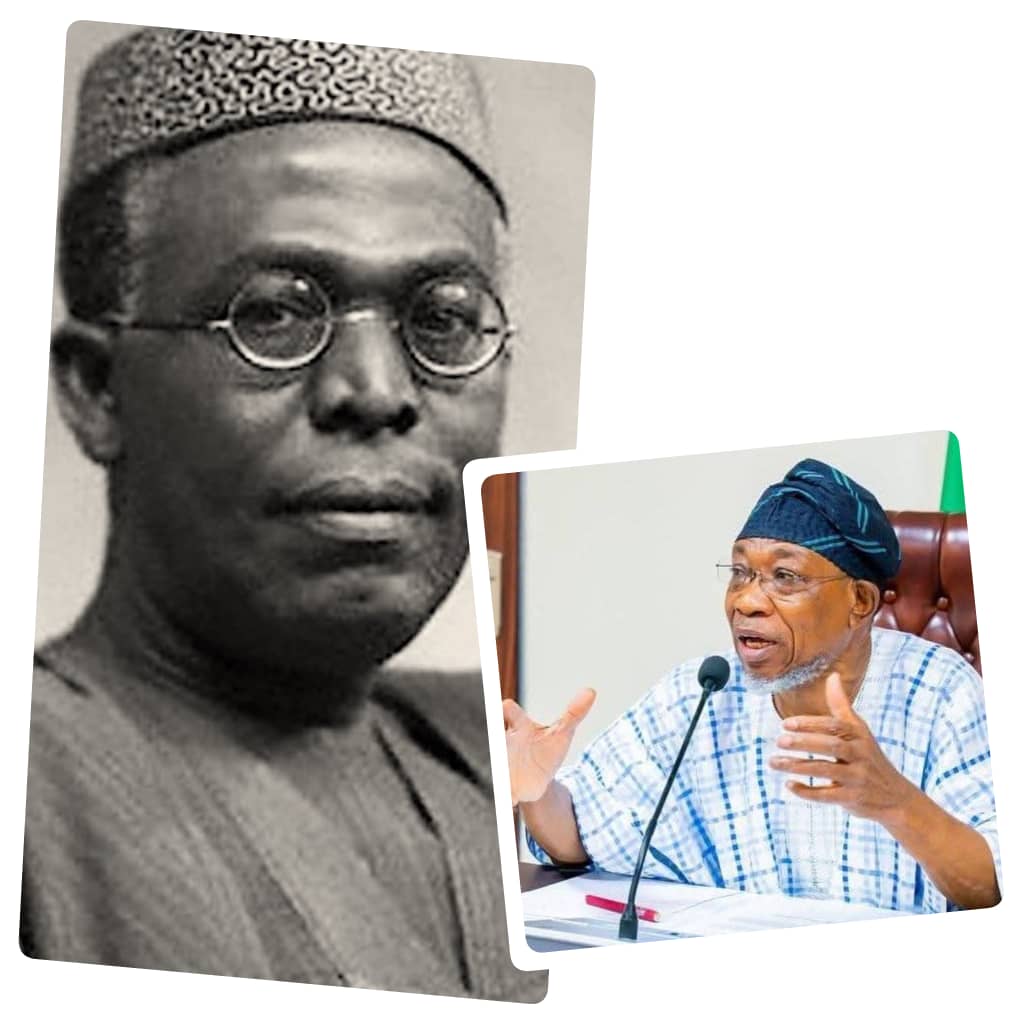

The history of progressive politics in Yorubaland is deeply rooted in leaders who governed with conscience, clarity and commitment to the people. From Chief Obafemi Awolowo to Lateef Jakande, Bola Ige, Adekunle Ajasin, Bisi Onabanjo and Abraham Adesanya, the Afenifere tradition stood for free education, social welfare, fiscal discipline and moral leadership. These leaders built legacies anchored on human development and regional pride. Today, however, many observers argue that this heritage is being steadily erased under the present federal administration led by President Bola Ahmed Tinubu, with Yoruba leaders increasingly sidelined and their historical contributions treated as expendable.
Under the current government, excess spending on projects many Nigerians describe as unreal and disconnected from everyday suffering has become a recurring concern. While billions are committed to luxury governance and political maintenance, ordinary citizens grapple with hunger, collapsing healthcare and rising unemployment. Hospitals are understaffed as doctors leave the country daily in search of dignity and survival abroad. The mass exodus of medical professionals is not just a statistic but a national emergency, reflecting a system that has failed to prioritise welfare, planning and human capital development. For many in the South West, it feels as though the progressive values once championed by Afenifere leaders no longer matter in the calculations of power.

Against this backdrop, the record of Ogbeni Rauf Aregbesola as a subnational leader offers a striking contrast. His governance philosophy was rooted in proximity to the people and practical intervention. Beyond policy statements, his administration directly impacted lives at the grassroots. Through the Osun Youth Empowerment Scheme, popularly known as OYES, thousands of young people were productively engaged, given stipends, work experience and dignity. Local traders, artisans and families benefited from social programmes that circulated income within communities rather than concentrating wealth at the top.
Aregbesola’s social investment approach extended to education, school feeding and community based economic stimulation. Children were kept in school, local farmers found markets for their produce and small scale vendors earned sustainable livelihoods. These interventions were not abstract theories but lived realities for citizens who felt seen and supported by government. His model demonstrated that leadership could be firm yet humane, disciplined yet compassionate, and visionary without being disconnected from the streets.
What makes the current moment troubling is not merely economic hardship but the apparent disregard for the collective memory and moral compass of Yoruba political history. The legacies of Awolowo, Jakande, Ige, Ajasin, Onabanjo and Adesanya were built on sacrifice and service, yet many feel that the present administration has shown little regard for these foundations. Yoruba leaders who once shaped national discourse now appear marginalised, while policies that deepen inequality replace those that once reduced it.
As Nigeria struggles under mounting hardship, there is an urgent need for course correction. The present administration would benefit from adopting some of Aregbesola’s people focused policies at the national level to soften the economic pain across the country. More importantly, genuine consultation with Rauf Aregbesola could help reconnect governance with the progressive ideals of Afenifere and prevent the total erosion of their legacies. Leadership that ignores its roots risks losing its soul, and Nigeria can ill afford that loss at this critical moment.