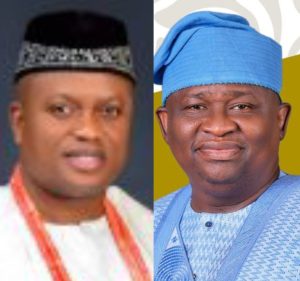
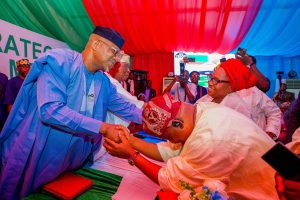
Leadership in Times of Crisis ~by Dare Adelekan.
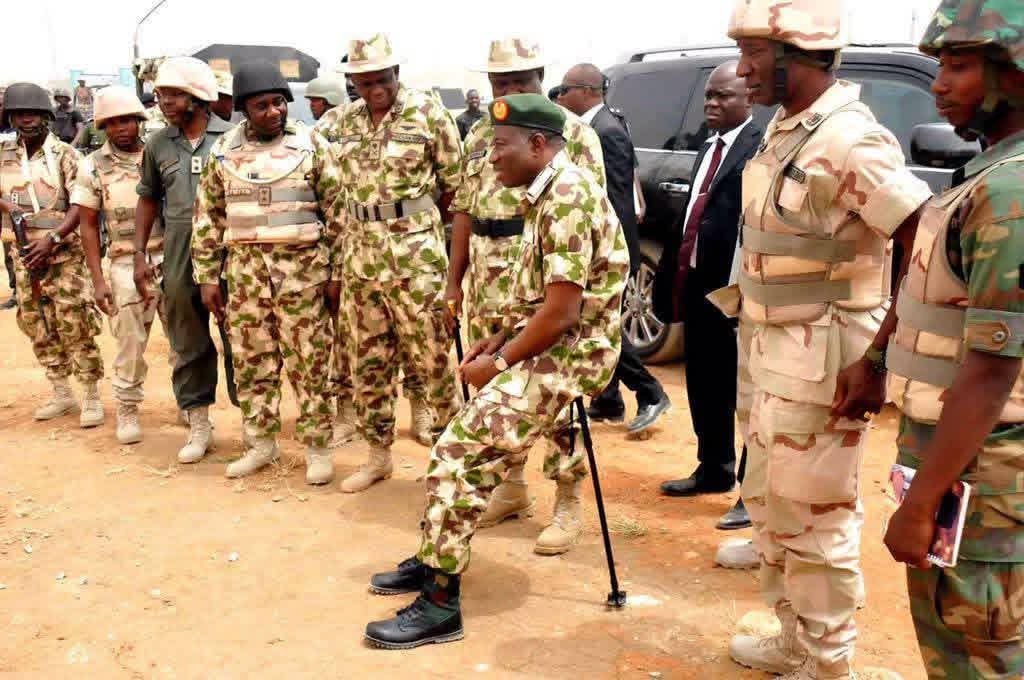

In moments of national crisis, leadership is not only measured by policy decisions but by presence, empathy, and a visible commitment to the people. Nigeria today finds itself once again grappling with persistent insecurity, particularly in regions such as Benue and Plateau States, where communities continue to suffer devastating attacks.
A Contrast of Political Narratives
It is impossible to ignore the contrast between past and present political narratives. In 2015, during the insurgency under President Goodluck Jonathan, opposition voices—now part of the current administration—were unrelenting in their criticism. His efforts to engage troops at the theatre of war were dismissed in some quarters with derision, and his leadership was publicly questioned.
Today, under President Bola Ahmed Tinubu, the expectations set by that era demand reflection. The standards once used to judge leadership must now be applied with the same level of scrutiny and honesty.
Rising Security Concerns
Reports of continued attacks, including the tragic loss of senior military officers, have heightened public anxiety. Within a short span, the killing of two army generals by insurgents underscores the severity of the security challenges facing the nation. For many Nigerians, these incidents are not just statistics—they are painful reminders of a crisis that remains unresolved.

The Importance of Empathy and Presence
Equally concerning is the perception of distance between leadership and the people in times of grief. For communities in mourning, symbolic gestures—such as visits, condolences, and shared moments of solidarity—carry profound meaning. When these are absent or appear insufficient, it risks deepening the sense of abandonment felt by affected citizens.
The Core Responsibility of Government
The duty of government is clear: the security and welfare of the people must remain paramount. This is not merely a constitutional obligation but a moral one. At a time when Nigerians are looking to their leaders for reassurance and decisive action, there must be a renewed focus on confronting insecurity with urgency, transparency, and compassion.
Beyond Politics
Political ambitions and future elections will always be part of democratic life. However, they must never overshadow the immediate responsibility to protect lives and restore confidence in the state. Leadership, in its truest sense, demands prioritizing the nation’s pain over political calculations.
A Call for Responsible Leadership
Nigeria stands at a critical juncture. What is required now is not rhetoric, but resolve—demonstrated through action, accountability, and an unwavering commitment to the safety and dignity of every citizen.