Nigerians Are Being Asked to Accept Dysfunction as Normal-Banwo
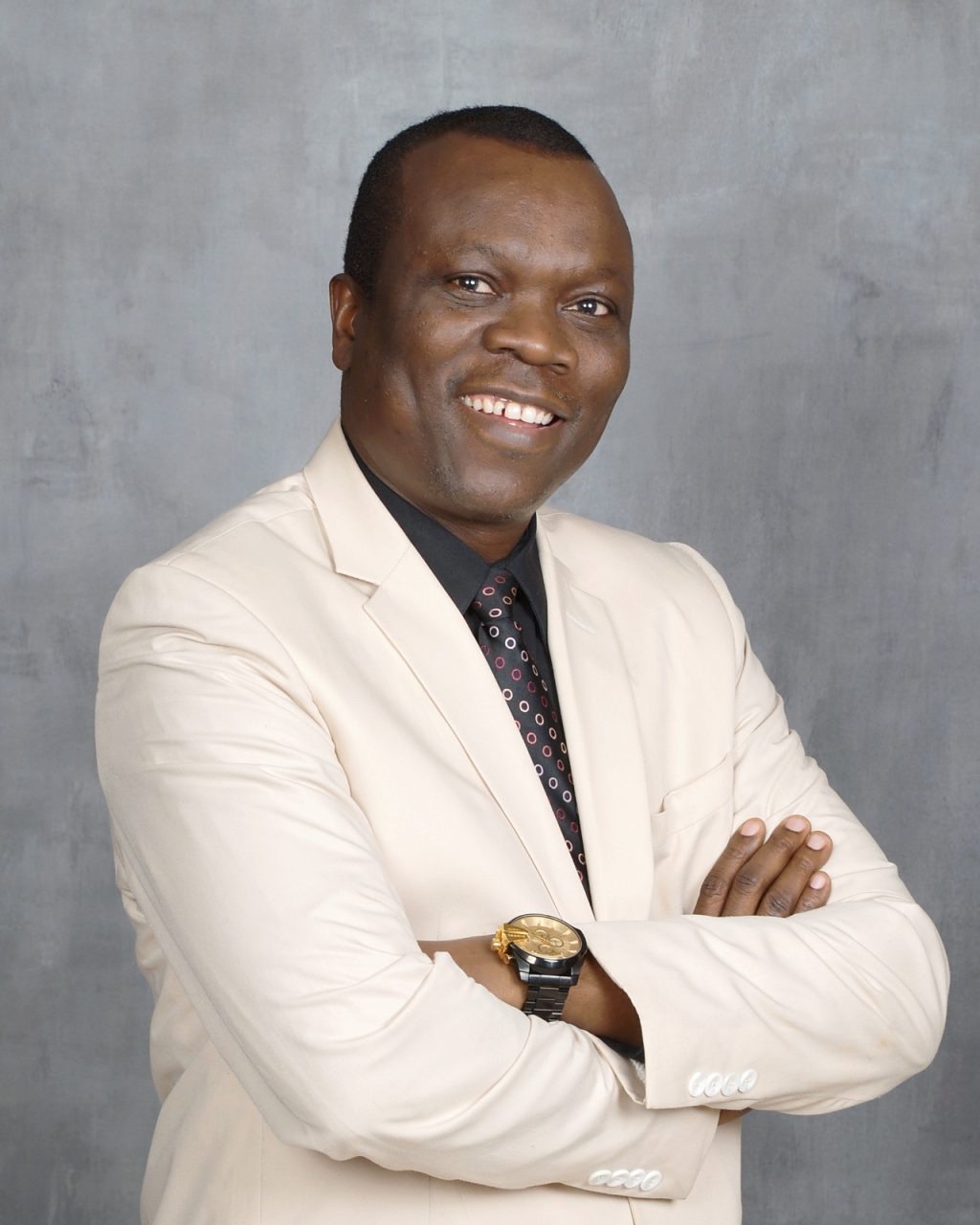

Lawyer and public affairs commentator, Dr. Ope Banwo, has delivered a scathing assessment of Nigeria’s governance landscape, warning that citizens are gradually being conditioned to accept systemic failures as a normal way of life.
In a strongly worded critique, Banwo painted a picture of a country where basic services remain inconsistent despite years of policy promises and public spending, raising concerns about accountability and leadership priorities.
He pointed to the continued instability in electricity supply, describing it as a long-standing issue that continues to burden households and businesses alike. According to him, the reliance on alternative power sources has become an economic strain that reflects deeper structural inefficiencies.
Banwo also highlighted persistent challenges in the education sector, where disruptions and extended academic timelines have become familiar patterns. He argued that such conditions place young Nigerians at a disadvantage in an increasingly competitive global environment.
On healthcare, he noted that limited public confidence in local systems continues to drive medical travel abroad among those who can afford it, a trend he said raises questions about the effectiveness of domestic investment in the sector.
Beyond service delivery, Banwo expressed concern over what he described as a visible disconnect between public officials and the realities faced by citizens. He referenced widespread perceptions of inequality and questioned whether governance structures are sufficiently aligned with public needs.
“What is worrying is not just the existence of these problems,” he said, “but the growing acceptance of them as inevitable.”
Banwo argued that when dysfunction becomes normalized, the urgency for reform diminishes, allowing systemic issues to persist unchecked.
He called for stronger institutional accountability, emphasizing the need for transparency in public spending and decision-making. While refraining from naming individuals, he stressed that sustainable development requires leadership that is both responsive and responsible