FORGING BATTLE-READY MINDS – TBRC FINALISES RESILIENCE-DRIVEN CURRICULA FOR MODERN COUNTERINSURGENCY COMMAND
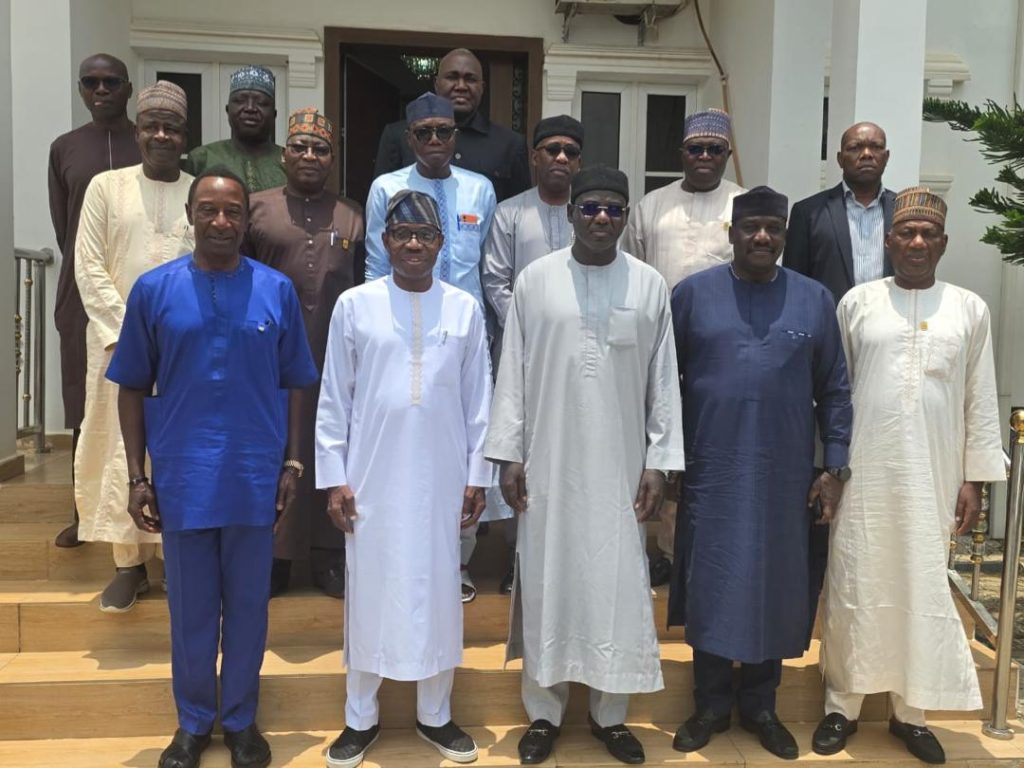

In a decisive response to the growing complexity of asymmetric warfare, the Tukur Buratai Research Centre (TBRC) has completed a landmark four-day expert drafting exercise to develop specialised course modules for military leaders engaged in Counterinsurgency (COIN) operations. The initiative, which convened a select committee of retired tri-service commanders, security scholars, and operational specialists in Abuja from 24 to 27 August 2026, addresses the urgent need for command structures that are not only tactically proficient but also psychologically robust and strategically agile in protracted, high-stakes insurgency environments. As contemporary conflicts increasingly blur the boundaries between conventional warfare and irregular tactics, the demand for leaders capable of navigating uncertainty, sustaining morale, and adapting under fire has never been more acute. Recognising this imperative, the TBRC embarked on a rigorous curriculum development process designed to embed resilience and adaptive leadership as foundational pillars across all levels of military command.
The four-day drafting workshop was guided by four primary aims. First, the committee sought to develop structured curricula that explicitly integrate resilience and adaptive leadership as core competencies across tactical, operational, and strategic echelons of COIN operations. Second, the exercise aimed to harmonise practical battlefield experience with contemporary academic and professional insights, ensuring the resulting modules are operationally relevant, contextually grounded, and immediately applicable to the realities confronting Nigerian forces in the field. Third, the workshop was designed to create a tri-service framework that fosters interoperability and shared command philosophies among the Nigerian Army, Navy, and Air Force, recognising that effective counterinsurgency demands seamless coordination across all branches of the armed forces. Fourth, the experts aimed to equip commanders with the cognitive and emotional tools required to anticipate, withstand, and recover from operational shocks while maintaining unit cohesion, troop morale, and unwavering mission focus under the most challenging circumstances.

The TBRC operates within a broader institutional vision framed by several overarching objectives. The Centre is committed to advancing professional military education through evidence-based research and tailored training programmes that directly address contemporary security threats confronting Nigeria and the wider West African sub-region. It seeks to build institutional resilience by developing leadership pipelines capable of sustaining operational effectiveness in volatile, uncertain, complex, and ambiguous environments. Additionally, the TBRC strives to bridge the persistent gap between academic theory and field reality, fostering a culture of continuous learning, critical reflection, and adaptive problem-solving within Nigeria’s defence architecture. Ultimately, the Centre aims to promote national security by producing commanders who are not only tactically sound and operationally proficient but also ethically grounded, strategically visionary, and psychologically resilient under sustained pressure, thereby contributing to the long-term stability and security of the nation.
The exercise concluded on Thursday, 27 August 2026, with the formal submission of six comprehensive course modules to the Chairman of the TBRC Board of Trustees, Lieutenant General TY Buratai (rtd) CFR, Betara of Biu and Garkuwan Keffi. The outcomes of this milestone achievement are substantial and far-reaching. The committee successfully finalised curricula for six professional development courses covering tactical, operational, and strategic levels of COIN leadership, each structured around the dual pillars of resilience and command effectiveness. The modules incorporate a multidisciplinary framework that integrates operational command experience, rigorous academic research, and tri-service perspectives, ensuring the content is both intellectually robust and practically applicable in real-world theatre conditions. Importantly, the exercise produced a clear and nuanced conceptualisation of resilience, redefining it not as passive endurance but as an active leadership attribute that enables commanders, formations, and units to adapt, recover, learn, and remain effective under pressure. This paradigm shift positions resilience as a dynamic capability rather than a static trait, one that can be cultivated, strengthened, and institutionalised through deliberate training and professional development. Furthermore, the workshop established a structured roadmap for TBRC’s forthcoming training programmes, positioning the Centre as a premier institution for building resilient, capable, and adaptive military leaders in Nigeria and beyond. This milestone reaffirms TBRC’s unwavering commitment to strengthening the nation’s defence architecture through leadership development and institutional capacity-building, ensuring that Nigeria’s counterinsurgency forces remain effective, cohesive, and resilient in the face of evolving threats, and that the men and women in uniform are equipped not only with weapons and tactics but with the mental fortitude and strategic insight required to prevail in the complex battlespaces of the twenty-first century.
Brigadier General Sani Kukasheka Usman (rtd) mni PhD fnipr
Director General/Secretary, Board of Trustees
Tukur Buratai Research Centre